Review: Triceratops Dinosaur Embroidery File for Makers
As a designer who spends more time analyzing stitch paths than browsing social media, I approach every new machine embroidery design with a mix of curiosity and skepticism. We have all been there: you download a cute graphic, load it onto your machine, and hope the final result doesn’t look like a tangled mess of thread. Recently, I had the chance to evaluate the Triceratops Dinosaur Embroidery File, and I want to share my practical insights on how this asset performs in real-world scenarios.
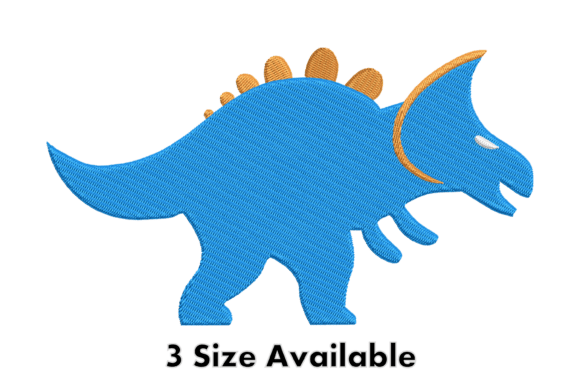
This isn’t just about whether the dinosaur looks cool—though it certainly does with its bright blue body and golden details. It is about understanding how this embroidery file translates from digital pixels to physical thread on various fabrics. For Etsy sellers, small shop owners, and hobbyists alike, knowing these nuances can save you hours of unpicking and wasted stabilizer.
First Impressions: Visual Personality and Mood
The first thing that strikes me about this Triceratops Dinosaur Embroidery File is its bold, playful energy. The choice of bright blue as the primary color, accented with golden details, creates a high-contrast look that pops against neutral backgrounds. This is crucial for children’s items where visual clarity matters. The design avoids overly complex shading, which is a smart move for a digital embroidery file intended for home machines. Complex gradients often lead to excessive stitch counts and potential thread breaks, but this design keeps things clean and readable.
The layout feels balanced. The triceratops stance is sturdy, giving the design a solid footprint that works well for both horizontal and vertical placements. It exudes a friendly, approachable vibe, making it an ideal candidate for baby embroidery projects or nursery decor. It doesn’t feel aggressive or scary, which is a common pitfall with dinosaur motifs. Instead, it feels like a character ready to be a child’s companion.
Real-World Application: From Tote Bags to Sweatshirts
To truly test the versatility of this design, I imagined several production scenarios. Let’s start with a custom tote bag design. Canvas is a forgiving fabric, but it has a distinct texture. The golden details in this Triceratops Dinosaur Embroidery File would likely use a satin stitch or a dense fill stitch to catch the light. On a natural cotton canvas, the blue would stand out vividly, while the gold adds a touch of premium feel. This combination elevates a simple tote into a boutique-style accessory, perfect for a small shop product or a craft fair standout.
Moving to apparel, consider sweatshirt embroidery. Fleece and French terry are thick, requiring careful attention to stitch density. If the design is too dense, it can cause puckering or make the garment stiff around the chest area. Based on the visual simplicity of this triceratops, it appears to have moderate density, which is ideal for knit fabrics. It would sit nicely on a kid’s hoodie without weighing it down. For custom apparel businesses, this means fewer customer complaints about comfort and durability.
I also see strong potential for holiday embroidery gifts. Imagine this design on a pillow cover for a dinosaur-themed bedroom. The bright colors would remain vibrant even after multiple washes, provided the correct thread quality is used. It transforms a standard home good into a personalized gift that feels thoughtful and specific to the recipient’s interests.
Technical Considerations and Fabric Choices
While the design is versatile, it is not without its constraints. As an experienced reviewer, I must point out where caution is needed. The golden details, while beautiful, require precise tension settings. If you are working with stretchy fabric, such as jersey knits for t-shirts, using the right stabilizer is non-negotiable. A cut-away stabilizer would be my recommendation to ensure the design retains its shape over time.
Another factor is fabric texture. On highly textured materials like terry cloth or wool, fine details can get lost. The golden accents in this Triceratops Dinosaur Embroidery File might blend into the pile if the thread color isn’t distinct enough. In such cases, I advise testing the design on scrap fabric first. Check the thread color contrast against your base material. If the gold disappears, consider swapping it for a lighter yellow or a metallic thread that offers better visibility.
For those interested in creating an embroidered patch, this design is a strong contender. The clear outlines and solid color blocks translate well to patch formats. However, you must confirm the hoop size compatibility. The product description mentions availability in three sizes, which is excellent for flexibility. But always verify the dimensions against your specific hoop capabilities before starting a batch production run.
Commercial Viability and Brand Consistency
For Etsy sellers and craft business owners, consistency is key. This design fits seamlessly into a broader collection of Dinosaurs themed items. It allows for brand consistency if you are building a line of prehistoric-themed goods. The professional finish of the design enhances buyer engagement. Customers are more likely to trust a seller whose products look crisp and well-executed. A messy stitch-out can damage your reputation, but a clean, vibrant triceratops builds confidence.
When creating printable mockup assets for your online store, this design photographs well. The contrast between the blue and gold creates depth in photos, making your design assets look more appealing on screen. This can directly impact click-through rates and sales. Remember, however, to check the licensing terms. While many files allow for commercial use of finished items, some restrict the resale of the digital file itself. Always clarify these terms to protect your commercial embroidery business.
Practical Designer Notes
Before you commit to a full production run, here are my top recommendations for working with this file:
- Test on Scraps: Always stitch out the design on the same fabric type you plan to use for the final product. This helps you adjust tension and stabilizer choices.
- Check Thread Colors: The default blue and gold are striking, but don’t be afraid to experiment. Try navy blue with silver for a more subdued look, or green with brown for a naturalistic vibe.
- Review Stitch Density: If you notice pulling on lightweight fabrics, consider adding a backing stabilizer or reducing the density if your software allows editing.
- Confirm Hoop Size: Ensure the largest size of the Triceratops Dinosaur Embroidery File fits comfortably within your hoop, leaving room for proper hooping tension.
- Inspect Small Details: Zoom in on the digital preview. Are the golden details too thin? If so, they might break frequently. Adjusting the width slightly in your editing software can improve durability.
In conclusion, the Triceratops Dinosaur Embroidery File is a robust addition to any designer’s library. It balances aesthetic appeal with technical practicality, making it suitable for a wide range of embroidery project types. Whether you are creating a finished product for a client or stocking your online shop, this design offers the reliability and charm needed to succeed in the competitive handmade market. Just remember to respect the material constraints and always prioritize quality control in your stitching process.