Review: Spooky Bat Season Embroidery Design for Makers
As a designer who has spent countless hours digitizing and stitching out thousands of files, I approach every new machine embroidery design with a mix of curiosity and skepticism. We all know the feeling: you download a file that looks stunning in the preview, only to find it turns into a bird’s nest of thread on your actual fabric. That is why I took a close look at the Spooky Bat Season Embroidery Design to see if it holds up under the needle for real-world projects.
This isn’t just about whether the bats look cute. It is about whether this embroidery file can withstand the rigors of commercial use, frequent washing, and the varied textures we encounter in a craft business. If you are an Etsy seller or a small shop owner preparing for the holiday rush, you need designs that deliver professional results without constant troubleshooting.
First Impressions and Visual Mood
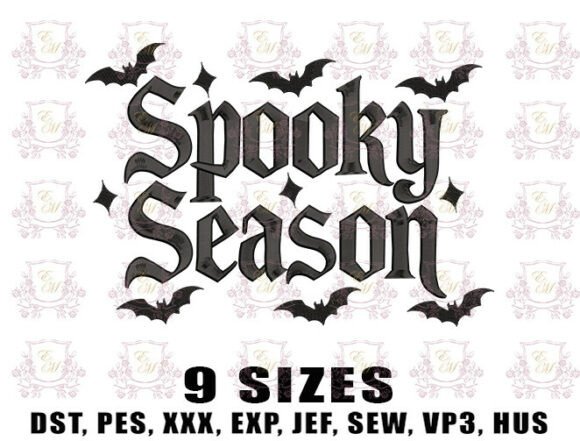
The immediate appeal of the Spooky Bat Season Embroidery Design lies in its balanced composition. It avoids the cluttered look that plagues many seasonal files. The combination of flying bats and gothic lettering creates a cohesive narrative rather than just random clipart slapped together. The mood is playful yet distinctly atmospheric, capturing the essence of Halloween without relying on overly gory or childish tropes. This versatility is crucial because it allows the design to cross demographic lines.
From a layout perspective, the spacing between the graphic elements and the text feels intentional. In embroidery, negative space is just as important as the stitches themselves. Too much density leads to fabric puckering, while too little can make the design feel insubstantial. This design seems to strike a healthy medium, suggesting it will sit well on various garments without overwhelming the material.
Real-World Application: The Tote Bag Test
To truly evaluate a design, you have to imagine it on a finished product. I visualized this design stitched onto a heavy canvas tote bag design. Canvas is unforgiving; it shows every skipped stitch and tension issue. The gothic lettering, with its sharp angles and varying thickness, would require precise tension settings. If the stitch density is too high, the canvas might warp. If it is too low, the letters might look sparse.
For a small business owner, this design offers excellent potential for custom apparel and accessories. Imagine a set of matching family sweatshirts or a boutique line of kitchen towels. The sweatshirt embroidery market is particularly lucrative during this season. The dark nature of the theme pairs naturally with black, charcoal, or deep purple fabrics, which are staples in autumn wardrobes. However, the contrast is key. Using bright orange or neon green thread colors against dark fabric can make the bats pop, but you must ensure the digitizing supports these color changes cleanly.
Technical Considerations for Stitchers
Let’s talk about the mechanics. Gothic fonts are notoriously tricky in embroidery. They often feature thin serifs and tight corners that can break needles or cause thread bunching. When reviewing the Spooky Bat Season Embroidery Design, pay close attention to how the lettering transitions from thick to thin strokes. A well-digitized file will use a combination of satin stitch for the bold parts and potentially running stitch or finer satin columns for the delicate details.
If you are working with textured fabrics, such as terry cloth towels or fuzzy fleece, the smaller bat details might get lost. In these cases, consider using an applique design technique if the file supports it, or simply opt for smoother fabrics like cotton twill or jersey. For stretchy materials, a cut-away stabilizer is non-negotiable to prevent distortion after washing.
One critical note: always check the recommended hoop size before starting. While the description mentions it is perfect for t-shirts and tote bags, attempting to squeeze a large design into a 4x4 hoop will result in cropping or scaling issues that degrade quality. If you are making embroidered patch items, ensure the border is clean and dense enough to be cut out neatly without fraying.
Navigating Fabric and Color Challenges
Dark fabrics are the natural home for Halloween themes, but they present visibility challenges during the stitching process. Hooping black fabric can be difficult to see under standard machine lights. I recommend using a white or light-colored stabilizer underneath to help you align the design accurately. Additionally, test the thread colors on a scrap piece first. Some metallic threads, often used for spooky effects, can be brittle and prone to breaking at high speeds.
For baby embroidery projects, exercise caution. While the design is charming, ensure the stitch count isn’t too dense for delicate baby skin or thin onesie material. You might need to reduce the density slightly or use a softer backing stabilizer to maintain comfort. Always prioritize the tactile experience of the handmade product, especially for items that will be worn close to the body.
Commercial Viability and Brand Consistency
For Etsy sellers and creative entrepreneurs, consistency is brand currency. The Spooky Bat Season Embroidery Design offers a polished look that can elevate your small shop product lineup. It feels curated rather than generic. When creating printable mockup images for your online store, this design photographs well because of its clear silhouette and strong contrast.
However, before listing any finished product or selling the digital embroidery file itself, you must verify the licensing terms. Not all designers allow commercial use of their digital assets. Check the specific license included with your purchase. Using a design for commercial embroidery without proper rights can lead to serious legal issues down the line. If the license permits, this design could be a strong addition to your seasonal design assets library.
Final Verdict and Practical Tips
The Spooky Bat Season Embroidery Design is a solid contender for your autumn project list. It balances aesthetic appeal with technical feasibility, provided you respect the limitations of your machine and materials. Here are my final recommendations for best results:
- Test on Scrap Fabric: Never stitch directly on your final garment. Run a test on the same type of fabric to check tension and registration.
- Check Stitch Density: If the design feels stiff after stitching, consider reducing the density in your editing software if you have the skills, or choose a lighter weight fabric.
- Contrast is Key: Ensure your thread choice stands out against the fabric. High contrast improves readability, especially for the gothic lettering.
- Stabilize Properly: Use the right stabilizer for the fabric. Tear-away for stable wovens, cut-away for knits and stretchy materials.
- Verify Licensing: Confirm whether the file allows for commercial sales of finished goods or digital redistribution.
In conclusion, this design serves as a reliable tool for makers looking to add a touch of seasonal flair to their work. It is not just about the spooky theme; it is about executing a clean, professional embroidery project that customers will value. Whether you are creating a personalized gift for a friend or stocking your boutique with holiday embroidery items, this file has the potential to deliver satisfying results when handled with care and precision.