Review: Pirate Skull Sea Adventure Embroidery for Craft Fairs
As an embroidery designer who has spent countless weekends standing behind booth tables, I have learned that not every machine embroidery design is created equal when it comes to retail success. Some designs look beautiful on a screen but fail to catch the eye of a passerby. Others are so dense they break needles or pucker fabric beyond repair. Today, I am reviewing the Pirate Skull Sea Adventure Embroidery from the perspective of a maker preparing for a high-traffic craft fair. This review focuses on practical application, visual impact, and production viability for small shop owners.
First Impressions and Visual Appeal
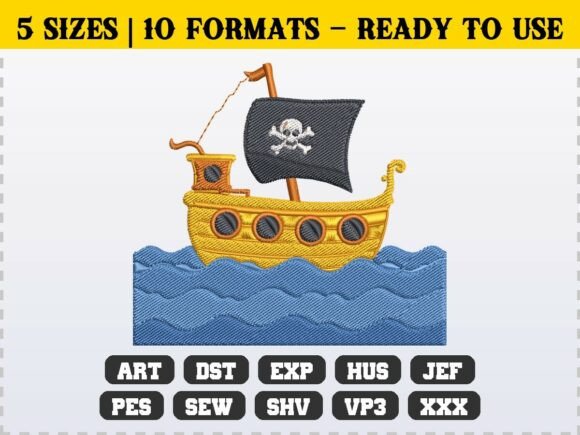
The moment I loaded the digital embroidery file, the theme was unmistakable. The description promises a grand stitching adventure, featuring a mighty ship sailing on rolling waves with a skull and crossbones flag flying high. Visually, this design leans heavily into a bold, adventurous aesthetic. It is not subtle, nor is it trying to be minimalist. For a craft fair environment, this is often a strength. Customers walking past a booth need to process what they are seeing in seconds. A clear, recognizable motif like a pirate ship creates an immediate emotional connection, especially with buyers looking for unique gifts for children, history buffs, or fans of nautical themes.
The combination of the ship and the skull suggests a playful yet classic vibe. It feels less like "farmhouse chic" and more like a spirited, storybook illustration. This distinction matters because it dictates where you place the design. It will not blend into a neutral, rustic background easily. Instead, it demands attention. When evaluating the Pirate Skull Sea Adventure Embroidery, I see a design that thrives on contrast. It needs space to breathe and fabrics that allow the details of the waves and the rigging to stand out.
Product Applications for Maximum Sales
Choosing the right substrate is half the battle in selling handmade goods. Based on the complexity and theme of this design, here is how it performs across various popular craft fair products:
- Tote Bags: This is arguably the best application. A canvas tote provides a large, flat surface that acts as a perfect canvas for the ship and waves. The tote bag design potential here is high because parents and teachers love durable, themed bags for library visits or beach days.
- Aprons: An apron embroidery project using this motif works well for kitchen enthusiasts who enjoy a bit of whimsy. Placing the ship on the bib or the lower pocket area creates a focal point that is visible even when the apron is worn.
- Tea Towels: While tea towel embroidery is popular, caution is required. The rolling waves and ship details must be scaled correctly. If the design is too large, it may overwhelm a standard towel. If too small, the intricate lines of the ship might get lost in the weave of the fabric.
- Embroidered Patches: Creating an embroidered patch allows for batch production. You can stitch multiple patches on a single piece of stabilizer-backed felt or twill, cut them out, and sell them as add-ons. This increases the average transaction value at your booth.
- Caps and Hats: Curved surfaces are tricky. The skull and crossbones element might work well on the front panel, but the full ship with waves may distort on a curved brim or crown. Test this carefully before committing to inventory.
Production Practicality and Stitch Density
From a production standpoint, the Pirate Skull Sea Adventure Embroidery requires careful attention to stitch density. Designs featuring water elements like rolling waves often use satin stitches or complex fill patterns to create movement. If the density is too high, the fabric may pucker, especially on lighter materials like cotton tea towels. Conversely, if the density is too low, the backing material might show through, ruining the premium look of the finished product.
Before running a full batch, always test the design on scrap fabric identical to your final product. Check the thread colors against your fabric choice. Navy blue thread on black fabric will vanish, while bright red or white thread on denim will pop. For a pirate theme, traditional colors like deep blues, blacks, whites, and touches of red or gold work best. Ensure your hoop size accommodates the full width of the ship and waves without cropping essential details. If the design is larger than your standard hoop, you may need to split it, which is generally not recommended for intricate scenes like this unless you are highly experienced.
Another critical factor is the stabilizer. For items like tote bags and patches, a cut-away stabilizer is usually best to provide long-term support. For woven fabrics like aprons, a tear-away might suffice if the stitch count is moderate. Always match the stabilizer to the fabric texture and the intended use of the item. A bag that will carry heavy books needs more support than a decorative pillow cover.
Marketing and Online Presence
For Etsy sellers and online boutique makers, the visual appeal of this design translates well into digital marketing. The strong shapes of the ship and skull make for excellent printable mockup creation. You can easily visualize this design on various products using digital assets, helping customers imagine the item in their homes. When listing this as a small shop product, highlight the craftsmanship. Mention that it is a commercial embroidery ready design, assuming you have verified the license terms.
Photography is key. The details in the waves and the flag need good lighting to be appreciated. Avoid harsh shadows that might obscure the smaller elements of the ship’s rigging. Use natural light to showcase the texture of the stitches. This helps convey the quality of the handmade product and justifies a higher price point compared to mass-produced printed items.
Designer Notes and Final Verdict
Before adding the Pirate Skull Sea Adventure Embroidery to your production line, consider these final checks:
- Verify License Terms: Ensure the embroidery file comes with commercial rights if you plan to sell finished goods. Do not assume; read the documentation provided by the designer.
- Check File Formats: Confirm the design is available in the format compatible with your machine. Common formats include PES, DST, and JEF. Missing the correct format can halt production.
- Test on Dark Fabrics: Pirate themes often look best on dark backgrounds. Ensure the design includes underlay stitches to prevent fabric show-through on black or navy materials.
- Scale for Clarity: If shrinking the design for small pouches or baby items, ensure the skull and crossbones remain recognizable. Tiny details can merge into a blob if scaled down too aggressively.
In conclusion, the Pirate Skull Sea Adventure Embroidery is a strong contender for craft fair vendors. It offers a clear, engaging theme that appeals to a broad audience. With proper attention to design assets, fabric selection, and stabilizer choice, it can become a staple in your commercial embroidery portfolio. It balances whimsical charm with classic imagery, making it a versatile addition to tote bags, aprons, and patches. By focusing on quality execution and strategic product placement, this design can drive buyer engagement and boost sales at your next market event.