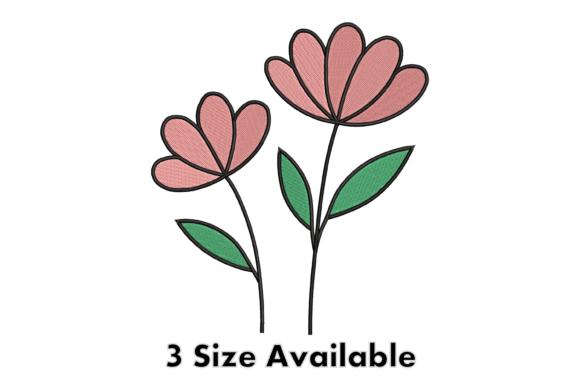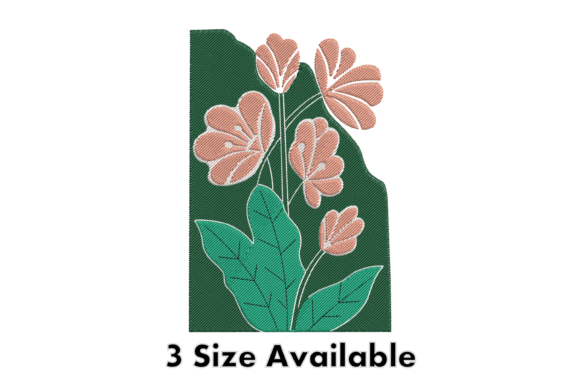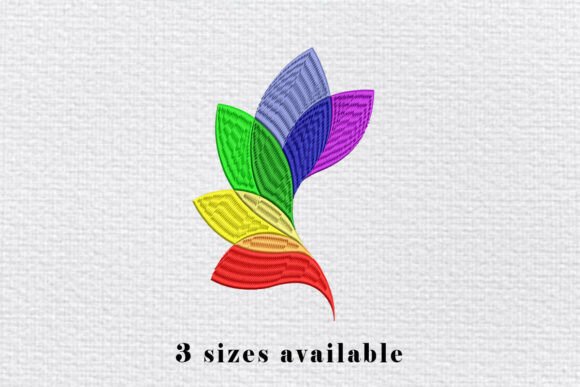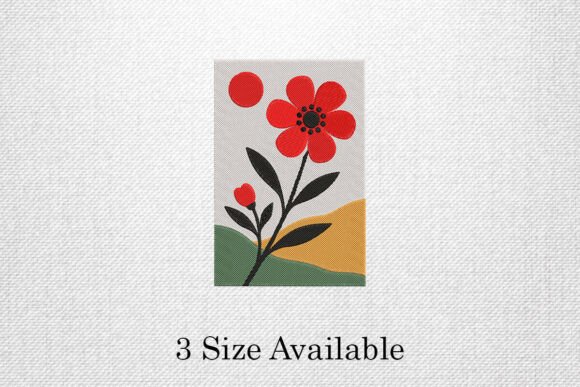
Reviewing the Green Leaf Embroidery Design File
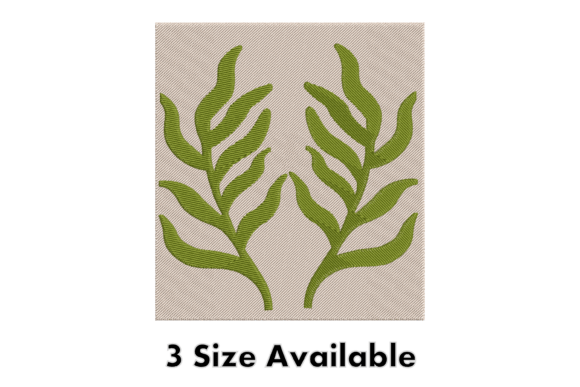
As a designer who spends half my life digitizing and the other half stitching, I have learned that simplicity is often the hardest thing to get right. When I first loaded the Green Leaf Embroidery Design File into my software, I was looking for clean lines and logical stitch paths. What I found was a refreshing take on botanical motifs that avoids the cluttered look so common in stock libraries. This isn’t just another generic plant; it is a studied piece of Single Flowers category work that understands negative space.
The mood this design creates is calm and organic. It feels modern without being cold, making it an ideal candidate for brands that want to project sustainability, wellness, or natural luxury. For those of us running small shops or managing client orders, having a versatile asset like this in your digital library is invaluable. It bridges the gap between masculine and feminine aesthetics, which is a rare trait in floral Embroidery designs.
Real-World Application: The Tote Bag Test
To truly evaluate any machine embroidery design, you have to move beyond the screen and put needle to fabric. I recently had a request for a set of reusable market bags for a local boutique. They wanted something subtle, not a loud logo, but a mark of quality. I chose the Green Leaf Embroidery Design File for this job.
I stitched the medium size onto a heavy canvas tote. The result was immediate clarity. Because the design relies on strong shapes rather than excessive detail, it read perfectly from a distance. Customers at the craft fair didn’t just see a bag; they saw a finished product that looked intentional. The leaf sat comfortably on the textured fabric, proving that this embroidery file handles material grain well. It didn’t get lost in the weave, nor did it overpower the natural color of the cotton.
Versatility Across Product Lines
One of the strongest arguments for purchasing this design is its adaptability. In my experience, many botanical designs are too delicate for certain applications or too dense for others. This design strikes a balance. Here is how I see it performing across different categories:
- Custom Apparel: It works beautifully as a chest pocket accent on men’s t-shirts or as a larger back print on women’s sweatshirts. The sweatshirt embroidery trend is still going strong, and this leaf adds a touch of nature to cozy wear.
- Home Decor: On pillow covers or wall art, the design acts as a focal point. It pairs well with neutral linens and earth tones.
- Baby Items: For baby embroidery, the simple lines are safe and sweet. It looks charming on onesies or burp cloths without looking childish.
- Accessories: As a tote bag design or on caps, it maintains its integrity. Curved surfaces like hats can distort complex images, but the streamlined shape of this leaf holds up well.
Technical Considerations for Stitching
While the design is user-friendly, there are technical aspects every Etsy seller or hobbyist should consider before hitting start. Since the file is available in three sizes, you must match the hoop size to your machine’s capabilities. Always check your specific machine manual for maximum hoop dimensions.
The stitch path appears to utilize a mix of fill stitch for the body of the leaf and potentially running stitch or satin edges for definition. This combination helps keep the stitch density manageable. However, if you are working with thin fabric like silk or lightweight rayon, you must use a proper stabilizer. A cut-away stabilizer is often safer for garments that will be washed frequently, while tear-away might suffice for stable home decor items.
Be cautious with dark fabrics. If you are stitching a green leaf on navy or black, ensure your thread colors have enough contrast. I recommend testing a sample on scrap fabric first. Also, inspect the small details. While this design is not overly intricate, tiny points in leaf tips can sometimes pull or bunch if the tension is off. Adjust your upper thread tension slightly if you notice puckering.
Visual Appeal and Brand Value
Why does this matter for your business? Because perception is reality. A clean, well-stitched design signals professionalism. When a customer buys a personalized gift or a handmade product from your small shop product line, they are buying into your aesthetic. The Green Leaf Embroidery Design File contributes to brand consistency. It looks good in printable mockup previews online, which helps drive clicks, and it looks even better in person, which drives reviews.
For commercial embroidery projects, reliability is key. You cannot afford to redo a batch of fifty aprons because the design distorted. This file’s simplicity reduces the risk of errors. It allows you to focus on thread choice and fabric quality, which are the true differentiators in high-end craft business items.
Designer Notes for Best Results
Before you integrate this into your next big launch, keep these practical tips in mind:
- Test on Scrap: Never skip the test stitch. Use the same fabric and stabilizer combination you plan to use for the final item.
- Check Contrast: View your design in black and white on your computer screen. If the details disappear in grayscale, they may get lost on low-contrast fabrics.
- Verify Licensing: Always confirm the license terms provided with the digital embroidery file. Ensure you are cleared for commercial use if you plan to sell the finished product.
- Thread Quality: Use high-quality polyester or rayon threads. Cheap thread breaks and fades, ruining the look of even the best design.
- Hoop Selection: Choose the smallest hoop that fits the design comfortably to minimize fabric movement and registration issues.
In conclusion, the Green Leaf Embroidery Design File is a solid addition to any designer’s toolkit. It is not flashy, but it is effective. It respects the limitations of the machine while maximizing visual impact. Whether you are creating holiday embroidery gifts, stocking your online store with design assets, or making a special embroidered patch for a friend, this design delivers. It reminds us that in embroidery, as in life, less is often more.