Reviewing Floral Fall Season Embroidery Designs
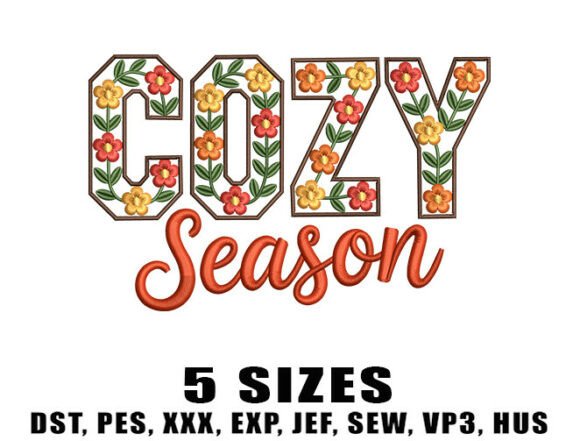
As a designer who spends half my life staring at digitized files and the other half pulling bobbins out of jammed machines, I have learned to look past the pretty preview images. What matters is how a machine embroidery design behaves when the needle actually hits the fabric. Recently, I pulled up the Floral Fall Season Embroidery Designs collection to evaluate its potential for upcoming client projects. Specifically, I focused on the “Cozy Season” motif, which features floral-filled block lettering. This isn’t just about aesthetics; it is about viability in a real-world production environment.
First Impressions and Visual Mood
The immediate appeal of this design lies in its thematic consistency. It captures that specific, warm nostalgia associated with Autumn without relying on clichéd pumpkins or leaves alone. The integration of flowers within bold, block-style lettering creates a balanced composition that feels both modern and traditional. For an Etsy seller or boutique owner, this visual personality is crucial. It signals quality and thoughtfulness, which are key drivers for customer trust in the handmade market.
The layout suggests a design that is meant to be seen. It is not subtle background noise; it is a statement piece. When I visualize this on a product, I see it working best where there is ample flat space. The density of the floral elements inside the letters requires a steady hand and proper machine tension, but the payoff is a rich, textured look that elevates a simple garment into a personalized gift worth keeping.
Real-World Application: The Sweatshirt Test
To test the practicality of this embroidery file, I imagined a common scenario: a custom order for a local coffee shop’s seasonal merchandise. They wanted branded sweatshirt embroidery that felt cozy and inviting. The “Cozy Season” text fits this brief perfectly. However, applying floral-filled lettering to a fleece or heavy cotton blend requires careful consideration of stitch density.
If the digitizer has packed too many fill stitches into those small floral details, the fabric can pucker, especially on stretchy materials. In my mental simulation, I would recommend using a cut-away stabilizer rather than tear-away for this application. This ensures the weight of the thread does not distort the neckline or shoulders over time. For a small shop product, durability is just as important as initial appearance. Customers need to know their finished product will survive multiple washes without losing its shape or charm.
Versatility Across Product Lines
Beyond apparel, this design shows promise for home goods. Imagine this stitched onto a neutral-toned tote bag design made from canvas. The contrast between the rugged fabric and the delicate floral details inside the bold letters creates a sophisticated juxtaposition. It also translates well to pillow covers or blankets, where the larger surface area allows the intricate details of the running stitch outlines and satin accents to shine without feeling cramped.
For those creating holiday embroidery gifts, this design serves as a versatile anchor. It is not strictly tied to Christmas or Thanksgiving, making it a safer bet for early fall sales. This extends the selling window for craft business owners, allowing them to list items in late August and keep them relevant through November. Whether used for a baby embroidery project on a soft muslin blanket or a chic apron for a kitchen enthusiast, the theme remains universally appealing.
Technical Considerations and Pitfalls
While the design is strong, it is not without its challenges. The complexity of floral elements within letterforms means that scale matters. If you attempt to shrink this design for a small hoop size, such as a 4x4 inch frame, you risk losing definition. Tiny petals and leaf veins may merge into a blob of thread if the thread colors do not have sufficient contrast. I always advise testing a scaled-down version on scrap fabric before committing to a final embroidery project.
Additionally, consider the fabric texture. On highly textured materials like terry cloth or chunky knits, the fine details of the floral fill might get lost. In such cases, this design might work better as an applique design, where fabric patches form the letters and the floral details are stitched on top. This reduces bulk and improves clarity. Conversely, on smooth, thin fabrics like silk or lightweight rayon, the density of the design could cause puckering unless a high-quality stabilizer is used and the tension is meticulously adjusted.
Color Strategy and Contrast
One of the most critical decisions when using Floral Fall Season Embroidery Designs is color selection. Because the design relies on the interplay between text and flora, monochromatic schemes can sometimes flatten the image. I recommend using at least three distinct shades: one for the main letter structure, one for the primary floral elements, and a third for highlights or outlines. This depth helps the eye distinguish the letters from the decoration, ensuring readability from a distance.
Before finalizing your digital embroidery file settings, create a black-and-white mockup. If the design loses its shape in grayscale, it will likely struggle in low-light conditions or on dark fabrics. Testing contrast digitally saves time and thread in the long run. For commercial embroidery runs, consistency in thread brand and type is also vital to maintain brand integrity across multiple units.
Final Verdict for Makers and Sellers
The Floral Fall Season Embroidery Designs offer a compelling option for designers looking to add seasonal warmth to their portfolio. The “Cozy Season” motif, with its floral-filled block lettering, strikes a balance between decorative flair and legible messaging. It is ideal for custom apparel, home decor, and printed mockup previews that drive online engagement.
However, success depends on technical execution. Always verify the specific stitch count and recommended hoop sizes provided with the design assets. Check the license terms to ensure you are compliant for both personal and commercial use. By respecting the technical requirements of satin stitch boundaries and stitch density, you can transform this digital file into a tangible, high-value item. Whether you are an experienced apparel decorator or a hobbyist making gifts for friends, this design rewards careful preparation with a professional, polished result.
Ultimately, this design fits seamlessly into the workflow of any maker who values both aesthetic appeal and structural integrity. It is a solid choice for anyone looking to enhance their small business merchandise with a touch of autumnal elegance.