Review: Mountain Landscape Embroidery Design for Real Projects
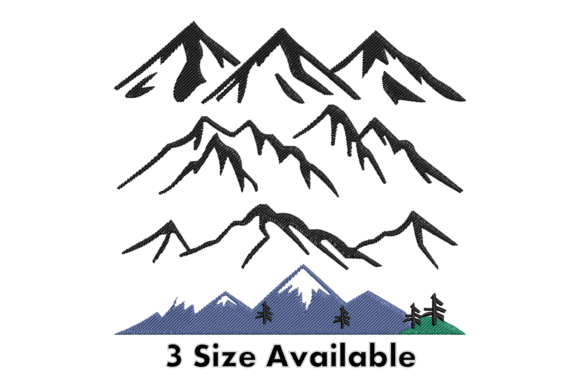
As a designer who has spent countless hours staring at digitizing software and watching needles dance across fabric, I have learned that not every pretty picture translates into a quality stitched product. When I first opened the Mountain Landscape Embroidery Design, my initial reaction was one of cautious optimism. The silhouette is clean, evoking a sense of calm and adventure without relying on excessive detail that often causes thread breaks or bird nests. For those of us in the craft business, finding a design that balances aesthetic appeal with technical reliability is rare.
This review comes from the perspective of someone preparing to use this file for actual client work. I am not just looking at it on a screen; I am thinking about how it will hold up on a textured tote bag, how it will stretch on a sweatshirt, and whether it will look professional enough to justify the price point in an Etsy shop.
First Impressions and Visual Personality
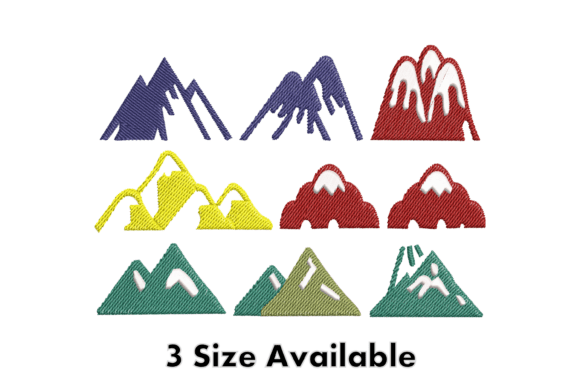
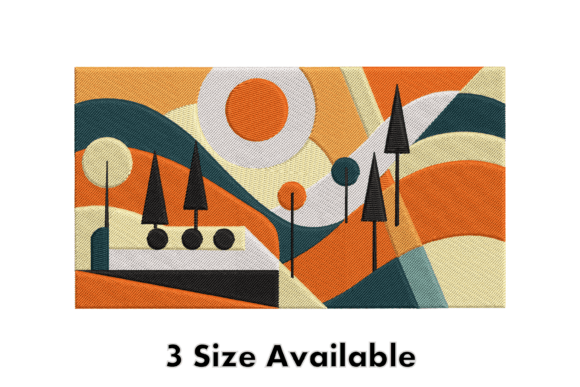
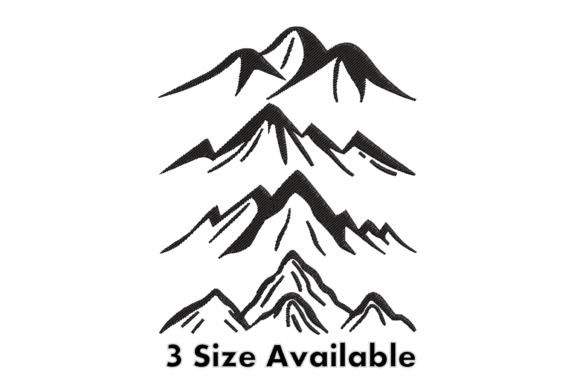
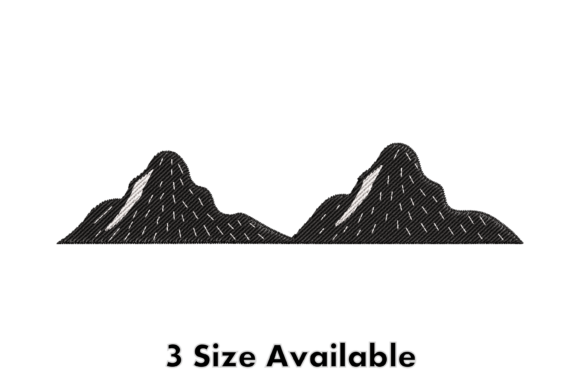
The mood of this design is unmistakably outdoorsy yet refined. It avoids the cartoonish look that plagues many nature-themed files. Instead, it offers a stylized representation of peaks that feels modern and versatile. The layout is balanced, with a visual weight that sits comfortably in the center of a garment or accessory. For embroidery designers, this means less time spent adjusting placement coordinates and more time focusing on production.
The detail level is moderate. It uses a combination of fill stitches for the mountain masses and likely running stitches for finer outlines or textural elements. This approach is crucial for maintaining clarity. If the design were too dense, it would stiffen the fabric excessively. If it were too sparse, it would look unfinished. From what I can see, this machine embroidery design strikes a practical middle ground, making it suitable for various fabric textures.
Real-World Application: The Tote Bag Test
To truly evaluate a design, you must imagine it on a specific product. I recently considered using this file for a custom order of canvas tote bags for a local outdoor guide service. Canvas is a forgiving but heavy material. A design like this needs enough density to cover the weave without puckering the handles.
In this scenario, the Mountain Landscape Embroidery Design performs well because its broader shapes allow for consistent stitch coverage. Unlike intricate floral patterns that might get lost in the canvas texture, these bold mountain lines remain crisp. For an Etsy seller or small shop owner, this reliability translates to fewer rejected items and higher customer satisfaction. It works equally well for custom apparel, such as hoodies or jackets, where the fabric is thicker and can support a slightly heavier stitch count.
Versatility Across Product Lines
One of the strongest assets of this file is its adaptability. It is not limited to one demographic. While it appeals to men and women who love Camping and hiking, it is also gentle enough for kids' clothing. I can easily visualize this on a baby onesie as a soft, thematic accent for a nursery, provided the scale is reduced appropriately. For baby embroidery, ensuring the backing is soft and the stitches are not too raised is vital, so testing on scrap fabric is non-negotiable.
For holiday embroidery gifts, this design fits perfectly into winter-themed collections. Imagine it embroidered on a flannel pillow cover or a thick wool blanket. It adds a touch of rustic charm without being overtly seasonal, allowing the product to be sold year-round. This longevity is key for digital embroidery file sellers who want their assets to generate passive income over time.
Technical Considerations and Pitfalls
While the design is robust, there are areas where caution is required. Any experienced embroiderer knows that curved surfaces, like caps or hats, present unique challenges. If you plan to use this as an embroidered patch or directly on a cap, you must check the stitch direction. Long satin stitches across a curve can gap or twist. If this design relies heavily on satin stitch for the peaks, you may need to adjust the underlay or switch to a fill stitch for better stability on structured hats.
Additionally, consider the hoop size. If you are working with a small 4x4 inch hoop, ensure the design fits without encroaching on the edges. Crowding the hoop can lead to misalignment. For thin or stretchy fabrics, such as performance t-shirts, a cut-away stabilizer is essential to prevent distortion. The design’s integrity depends on the foundation you provide.
Dark fabrics pose another challenge. If the original digitizing assumes light thread on dark fabric, you might need to adjust the pull compensation or add a white underlay to prevent the fabric color from showing through the thread colors. Always test on similar materials before committing to a final finished product.
Enhancing Brand Value and Customer Trust
For commercial embroidery projects, consistency is everything. A clean, well-digitized design reflects professionalism. When customers receive a personalized gift or a boutique item with crisp stitching and no loose threads, their trust in your brand grows. This Mountain Landscape Embroidery Design contributes to that perception by offering a polished look that requires minimal cleanup after hooping.
Using high-quality design assets like this allows small business owners to compete with larger retailers. It enables the creation of cohesive collections, such as matching tote bags and jackets, which increases average order value. Furthermore, when creating printable mockup previews for online listings, a design with clear lines renders beautifully, attracting more clicks and engagement.
Practical Designer Notes
Before you load this file into your machine, take these practical steps:
- Test on Scrap Fabric: Always run a test stitch on the same type of fabric you intend to use for the final product. This reveals any tension issues or density problems.
- Check Thread Contrast: Ensure your chosen thread colors stand out against the fabric. Earth tones work well for nature themes, but verify visibility.
- Review Stitch Density: If the design feels too stiff after testing, consider reducing the density in your software if you have the editable version, or choose a lighter fabric.
- Confirm Licensing: If you are selling handmade products or digital derivatives, confirm the license terms. Most designers allow commercial use for physical items but restrict the resale of the digital file itself.
- Mockup in Black and White: View the design in grayscale to check for contrast and shape clarity. If it looks muddy in black and white, it may lack definition in certain lighting conditions.
In conclusion, the Mountain Landscape Embroidery Design is a solid addition to any designer’s library. It offers the right blend of artistic flair and technical practicality for a wide range of embroidery project types. Whether you are decorating tote bags, creating sweatshirt embroidery for a boutique, or making holiday embroidery gifts, this design holds up under scrutiny. Just remember to respect the material constraints and always prioritize a good test stitch. Your reputation as a crafter depends on the details, and this design gives you a strong foundation to build upon.