Review: Elegant Dog Bone Embroidery Design for Brands
As an embroidery designer who has spent years digitizing files for small businesses, I approach every new machine embroidery design with a critical eye. It is not just about whether the image looks cute on a screen; it is about how that design performs when stitched out on real fabric, under the pressure of commercial deadlines and customer expectations. Recently, I had the opportunity to review the Elegant Dog Bone Embroidery Design, and I want to share my professional assessment of how this asset fits into the workflow of modern merch creators.
First Impressions: Balancing Charm and Professionalism
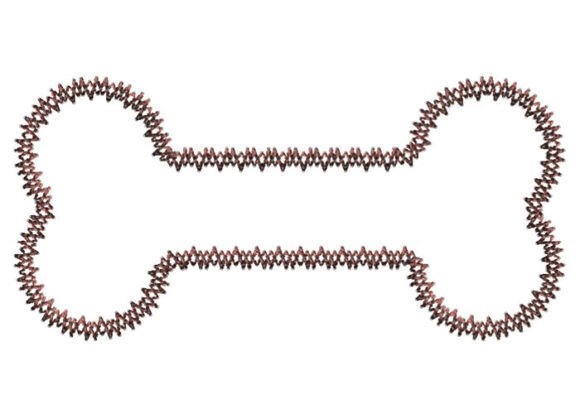
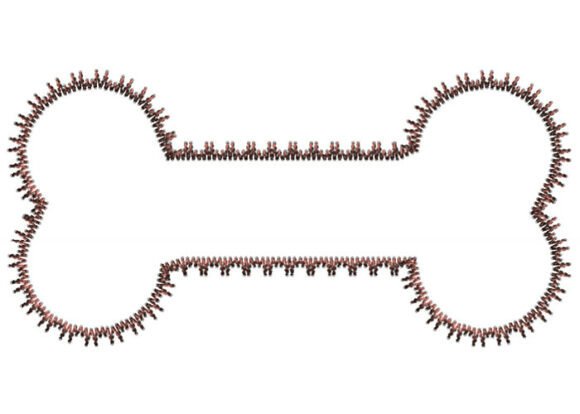
The title itself, Elegant Dog Bone Embroidery Design, sets a specific tone. In the world of pet-themed merchandise, we often see designs that lean heavily into cartoonish or overly complex styles. However, this design promises a "fine motif outline" and a "lightly detailed" approach. From a branding perspective, this is excellent news. A fine decorative stitch suggests sophistication rather than childishness, making it versatile enough for high-end boutiques, groomers, or artisanal pet bakeries.
When I first loaded the digital embroidery file into my viewing software, the simplicity stood out. The lack of heavy fill stitches means the design relies on precision. For a business owner, this translates to faster run times and less thread consumption, which directly impacts your profit margins on small business merch. The aesthetic feels modern and clean, avoiding the clutter that can make small logos look messy from a distance.
Real-World Applications for Small Business Merchandise
The true test of any embroidery file is its versatility across different products. Here is how I envision this design performing in various commercial scenarios:
- Embroidered Patches: This is perhaps the strongest use case. The fine outline works beautifully on twill or felt backings. Because it is not overly dense, it remains flexible, preventing the patch from becoming stiff or cardboard-like. It serves as a perfect accent for branded packaging or as a freebie gift with purchase.
- Cap Embroidery: Curved surfaces are tricky. Heavy designs can pucker the front panel of a cap. The lightweight nature of this dog bone motif makes it ideal for left-chest placement or even smaller side-panel details on dad hats and trucker caps. It adds a subtle brand touch without overwhelming the garment.
- Apron Embroidery: For pet groomers, dog walkers, or boutique café staff who allow pets, this design adds a friendly yet professional touch to uniforms. It reinforces the business’s niche without looking like a generic clip-art logo.
- Tote Bag Design: Canvas bags require designs that can withstand tension. A fine motif outline stitches cleanly on woven fabrics, providing a durable mark that survives washing better than large, dense fills that might distort over time.
Technical Considerations and Potential Pitfalls
While the design is promising, experienced decorators know that "elegant" and "fine" come with technical responsibilities. You must be mindful of stitch density and fabric interaction. Because the design features a fine decorative stitch, it may get lost on fabrics with a heavy texture, such as thick terrycloth towels or rough burlap. In these cases, the intricate lines might blend into the fabric weave, reducing visibility.
Additionally, consider the thread colors you choose. On dark uniforms, a single-color outline might not pop enough. I recommend using a contrasting thread color or adding a simple satin stitch border if your digitizing software allows for minor edits. Always check the hoop size requirements before starting a batch production. If the design is too small, the needle penetrations might cause perforation issues on delicate fabrics like silk or thin polyester blends.
Another critical factor is the stabilizer. For a fine outline design, using the wrong stabilizer can lead to shifting or puckering. I strongly advise using a cut-away stabilizer for garments that will undergo frequent washing, such as staff t-shirts or aprons, to ensure the design maintains its shape and integrity over the product's lifespan.
Impact on Brand Identity and Customer Trust
Your choice of design assets communicates your brand values. Using a generic, low-quality graphic can make a handmade product feel mass-produced and cheap. Conversely, the Elegant Dog Bone Embroidery Design offers a polished look that elevates perceived value. When customers see precise, clean stitching on a handmade product, it signals attention to detail and quality control.
This consistency builds trust. Whether you are selling on Etsy, at local craft fairs, or through a custom apparel website, a cohesive visual identity helps customers recognize your brand. This dog bone motif can become a signature element, appearing on everything from thank-you cards (as a printed element) to the actual finished product. It creates a narrative of care and elegance that resonates with pet owners who treat their animals like family.
Practical Designer Notes for Production
Before you commit to a large run of custom apparel or accessories, follow these practical steps to ensure success:
- Test in Black and White First: Stitch the design out in black thread on white fabric. This removes the distraction of color and lets you evaluate the clarity of the outline and the spacing of the stitches.
- Check Scalability: Resize the design to the smallest dimension you plan to use, such as a 1-inch patch. Ensure the fine details do not collapse or become indistinguishable at this size.
- Create a Printable Mockup: Use digital tools to place the design on photos of your actual products. This helps clients visualize the final result and approves the placement before you spend thread and time.
- Verify Commercial Licensing: This is non-negotiable. Before using the Elegant Dog Bone Embroidery Design for any item you intend to sell, confirm the license terms provided by the creator. Ensure it covers commercial use for physical goods.
- Fabric Testing: Always stitch a sample on the exact fabric type you will be using for production. Different materials react differently to tension and needle penetration.
In conclusion, this design is a strong contender for businesses looking to add a touch of personality without sacrificing professionalism. It bridges the gap between playful pet themes and elegant branding. By respecting the technical limitations of fine-line embroidery and leveraging its versatility across patches, caps, and apparel, you can create a cohesive and appealing product line. Just remember to prioritize testing and proper stabilization to deliver a finished product that stands up to both scrutiny and daily wear.